
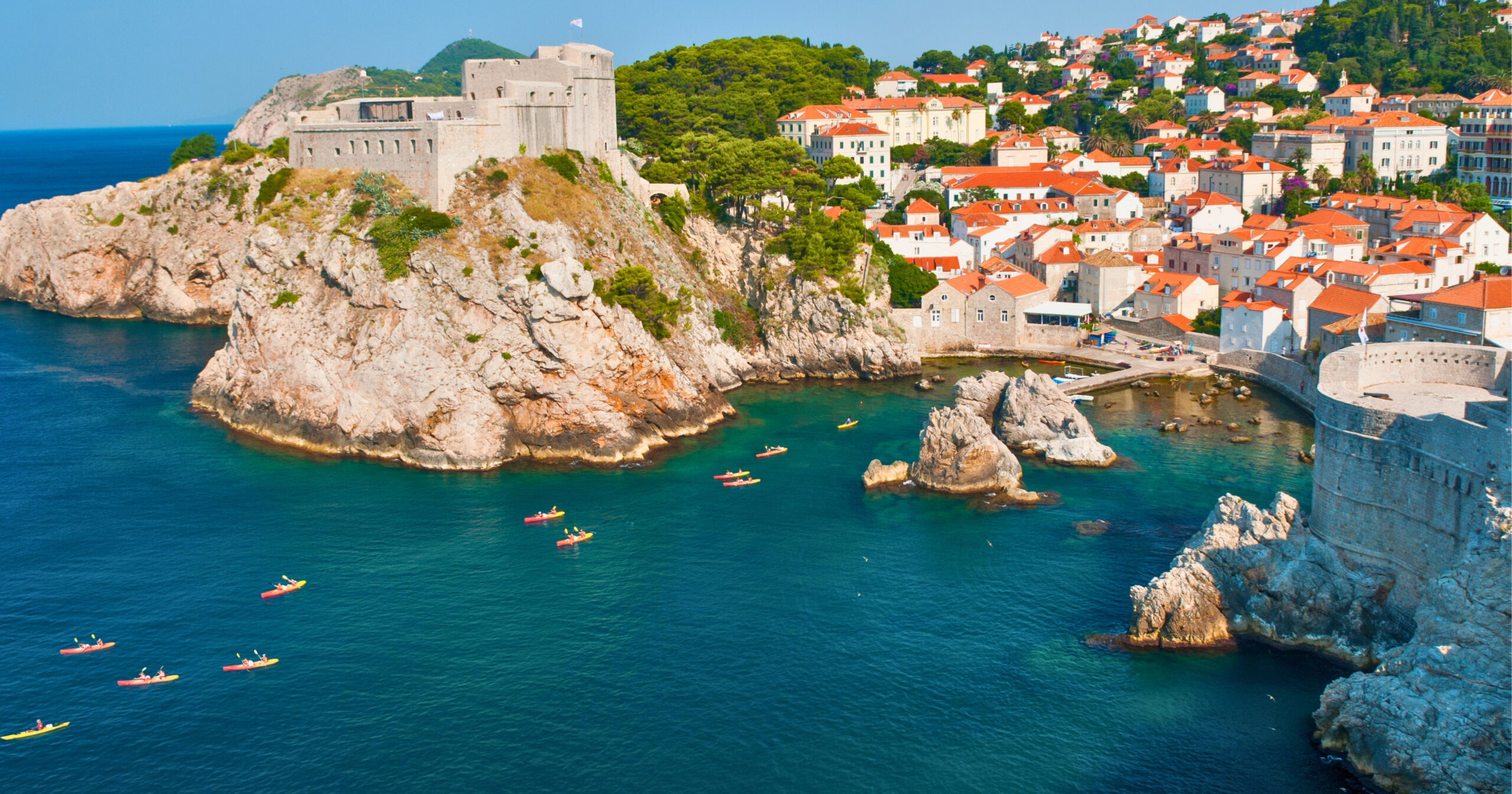
Dalmatia is a place where summer days often unfold without much planning, and that is part of its charm. A quiet morning coffee by the sea can turn into an afternoon boat trip, a swim in a hidden bay or dinner in a small family-run restaurant you happened to discover along the way.
The beaches may be the main reason many travellers visit, but there is far more to experience. From island hopping and river adventures to historic towns, national parks and traditional food, these are some of the best ways to enjoy summer in Dalmatia.
1. Explore the Dalmatian islands
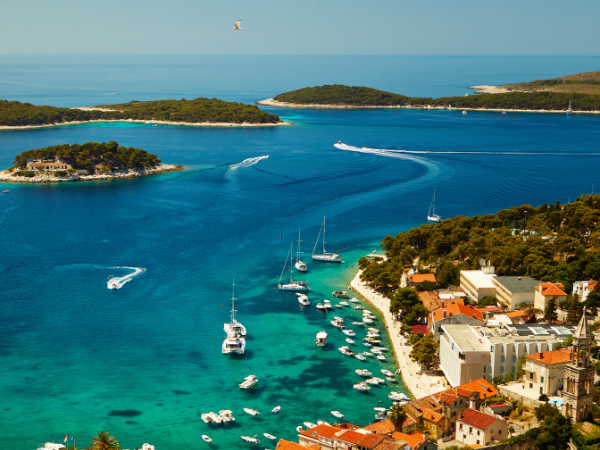
A boat trip is one of the best ways to experience the Adriatic coast. Excursions depart from most larger seaside towns, including Zadar, Biograd, Vodice, Šibenik, Trogir, Split, Makarska and Dubrovnik. Depending on where you are staying, you can visit islands such as Brač, Hvar, Vis, Šolta, Korčula or the Elaphiti Islands. Most day trips include several swimming stops, time to explore a small island town and lunch on board or at a local restaurant.
If you are staying in northern Dalmatia, Kornati National Park is an excellent choice. Its rocky islands, narrow channels and clear blue sea create a landscape unlike anywhere else along the coast.
For a more relaxed and personal experience, consider hiring a boat with a skipper. It gives you the freedom to choose your route, spend longer in quieter bays and enjoy the day at your own pace.
2. Find your favourite beach
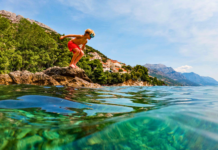
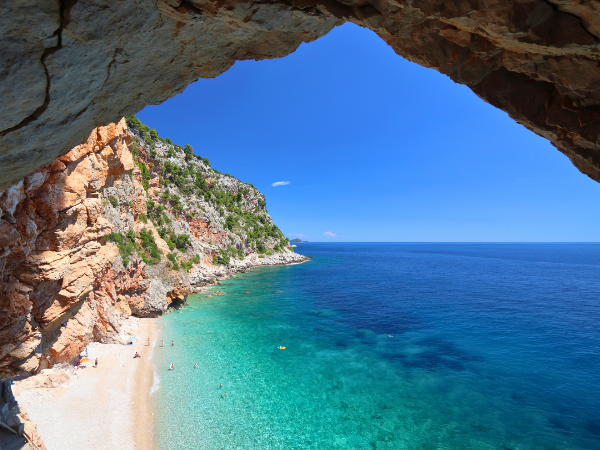
Dalmatia offers everything from lively beaches with cafés and facilities to secluded coves surrounded by pine trees. Families often prefer beaches with a gentle entrance to the sea, natural shade and restaurants nearby. Travellers looking for peace and quiet may enjoy exploring smaller bays outside the main tourist areas, where the water is often just as beautiful and the atmosphere much more relaxed.
A snorkelling mask is worth packing. The Adriatic is known for its clear water, and even close to the shore you may spot small fish, sea urchins and colourful underwater plants. Water shoes can also be useful, particularly on rocky or pebble beaches.
3. Go kayaking or paddleboarding
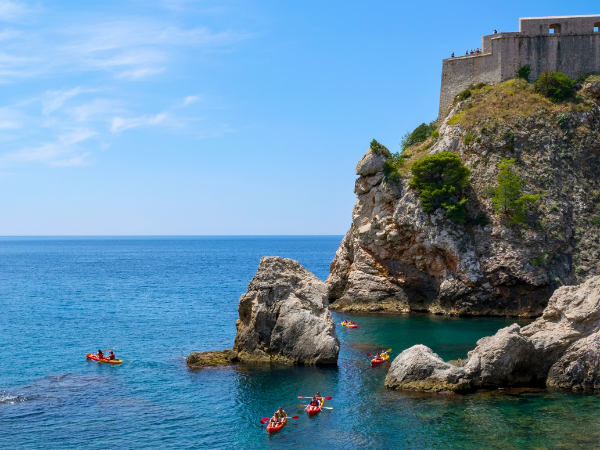
Kayaking and stand-up paddleboarding are ideal for discovering parts of the coast that cannot easily be reached from land.
Guided tours are available in many destinations, including Dubrovnik, Split, Trogir, Hvar, Zadar and the Makarska Riviera. Depending on the route, you might paddle beneath old town walls, explore small caves or stop for a swim in a quiet bay. Most beginner tours require no previous experience, and guides usually provide a short introduction before heading out.
Early morning is often the best time to go, when the sea is calm and the temperature is still comfortable. Sunset tours are equally appealing, especially for those who prefer a slower pace and softer evening light.
4. Discover the Cetina River
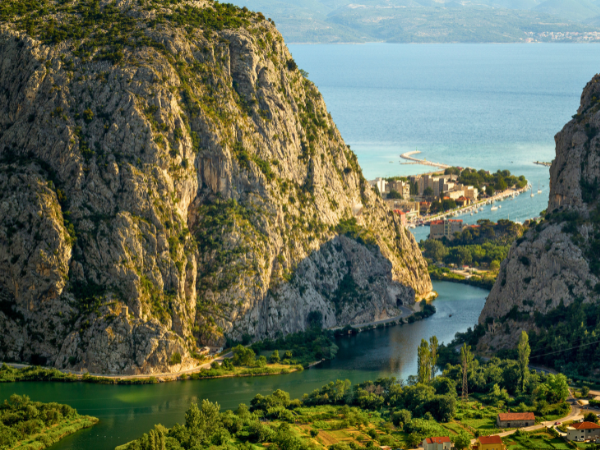
The town of Omiš is well known for its beaches, dramatic cliffs and outdoor activities on the Cetina River.
Rafting is one of the most popular experiences, but visitors can also try canyoning, ziplining, kayaking or a boat trip through the river canyon. The green landscape and cooler river air make this a refreshing change from the coast, especially during the hottest part of summer.
Some activities are suitable for families and beginners, while others require a good level of fitness. Before booking, check the age restrictions, difficulty level and whether swimming experience is required.
In northern Dalmatia, the Zrmanja River is another beautiful option for rafting and canoeing. Its waterfalls, clear water and rugged canyon scenery make it a popular day trip from the Zadar region.
5. Spend a day in Krka National Park
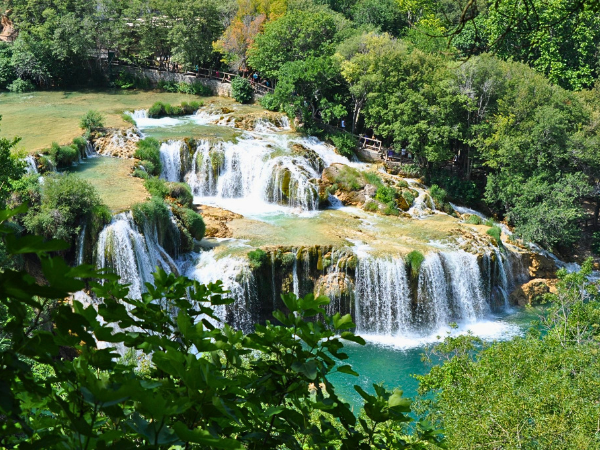
Krka National Park is one of Dalmatia’s best-known natural attractions and an easy day trip from Šibenik, Vodice, Primošten, Trogir and the surrounding area.
Skradinski buk is the park’s most visited site. Wooden walkways lead through lush vegetation, past waterfalls, traditional watermills and scenic viewpoints overlooking the river. There is more to Krka than its main waterfall. Depending on how much time you have, you can explore other areas of the park, take a boat trip or stop for lunch in the nearby town of Skradin.
During July and August, it is best to arrive early. The morning is cooler, the paths are quieter and you will have more time to explore before the midday heat. Wear comfortable shoes and bring plenty of water, especially if you plan to spend several hours in the park.
6. Visit Biokovo and the Skywalk
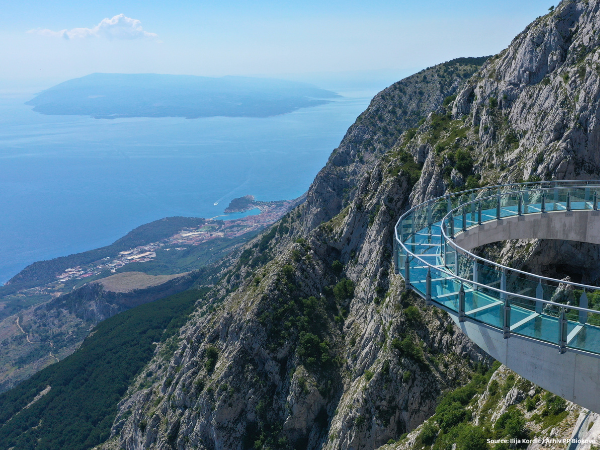
If you are staying on the Makarska Riviera, a trip to Biokovo Nature Park offers a completely different perspective on Dalmatia. The mountain rises steeply above the coast, with views stretching across the Adriatic and towards the nearby islands. On a clear day, the scenery is unforgettable.
Skywalk Biokovo is one of the park’s most popular attractions. The glass platform extends over the edge of the mountain, creating the feeling of walking above the landscape below. Because the mountain road is narrow and visitor numbers are limited, it is best to book your ticket or time slot in advance.
Weather conditions on Biokovo can be very different from those on the coast. Bring closed shoes, drinking water, sun protection and an extra layer of clothing, even in summer.
7. Wander through historic towns
One of the pleasures of a holiday in Dalmatia is being able to combine a day at the beach with centuries of history.
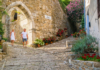
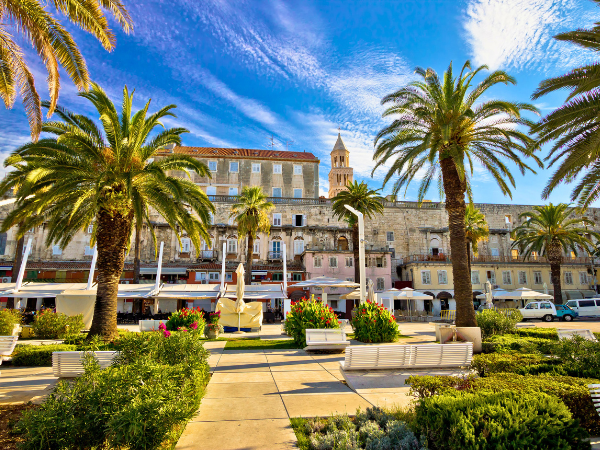
In Split, explore the narrow streets of Diocletian’s Palace before stopping for coffee on the Riva. In Trogir, walk through the compact old town, known for its stone houses, hidden courtyards and waterfront promenade.
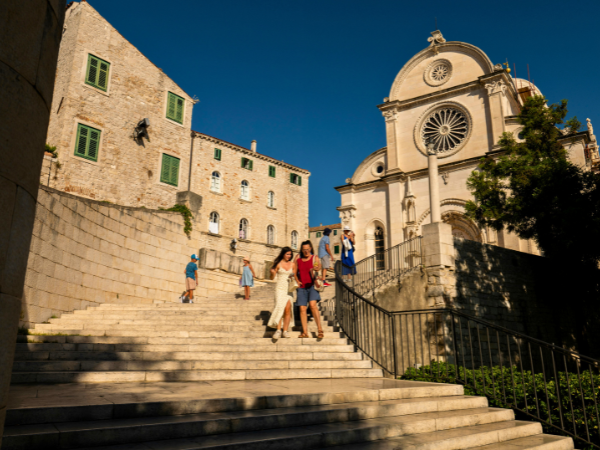
Šibenik is home to the impressive Cathedral of St James and several historic fortresses, while Zadar combines Roman ruins with modern attractions such as the Sea Organ.
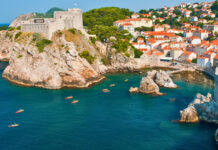
Further south, Dubrovnik draws visitors with its city walls, elegant old town and views across the Adriatic.
Sightseeing is most enjoyable in the morning or later in the afternoon. During the hottest part of the day, take a break in the shade, enjoy a long lunch or return to the sea.
8. Taste traditional Dalmatian food
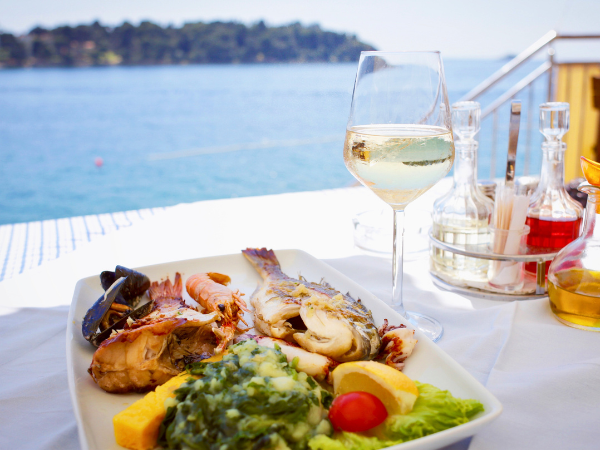
Food is an essential part of any holiday in Dalmatia, and one of the best ways to experience it is by visiting a traditional konoba.
Start with Dalmatian prosciutto, local cheese or octopus salad. For the main course, try grilled fish, black risotto, seafood pasta or meat and vegetables prepared under the peka. Dalmatian cooking is simple and relies on fresh, high-quality ingredients. Fish is often served with little more than olive oil, garlic, parsley and seasonal vegetables.
The cuisine also changes as you travel through the region. Along the coast and on the islands, seafood, olive oil and fresh herbs feature heavily on menus. In the Dalmatian hinterland, you will find more meat dishes, homemade bread and traditional recipes cooked slowly over an open fire.
Wine lovers can visit local wineries on Hvar, Brač, Korčula or the Pelješac Peninsula. Many smaller producers offer tastings accompanied by cheese, olives and other regional products.
9. Experience local summer events
Dalmatian towns come alive during the summer months.
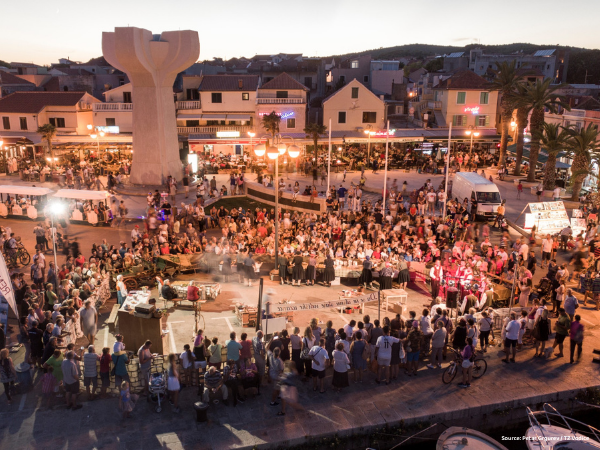
Local calendars are filled with concerts, fishermen’s evenings, food festivals, traditional celebrations and open-air performances. These events are a wonderful opportunity to hear local music, try regional dishes and experience the atmosphere of a coastal town after sunset.
Programmes change from year to year, so check the local tourist board website or ask your host what is happening during your stay.
Some of the best evenings are often the least planned. A walk along the waterfront, live music in a town square and an ice cream by the sea can easily become one of the highlights of your holiday.
10. Slow down and watch the sunset
Not every memorable holiday experience needs to be organised in advance.
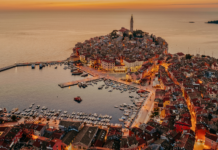
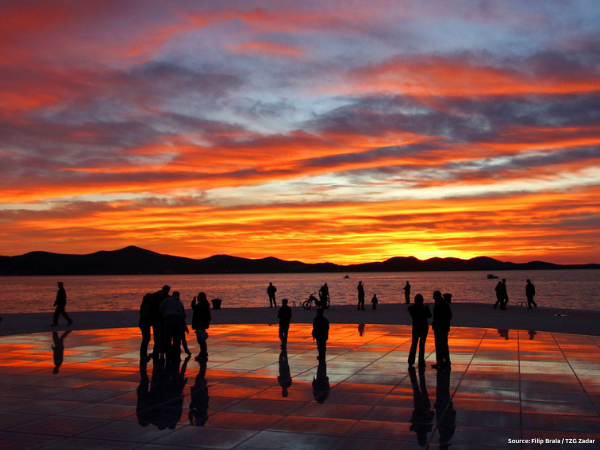
Find a quiet spot by the sea, sit on the beach or order a drink at a waterfront café. Zadar may be especially famous for its sunsets, but beautiful evening views can be enjoyed all along the Dalmatian coast.
For something more romantic, book a sunset sailing trip or bring a small picnic to a viewpoint above the sea.
The hour before sunset is often the loveliest time of day. The heat begins to fade, the beaches grow quieter and the coastline takes on a softer, more peaceful atmosphere.
A few useful tips
Popular excursions, national parks and outdoor activities can become busy in July and August, so booking ahead is always a good idea.
Plan walks and more demanding activities for the morning or late afternoon, and avoid spending too much time in direct sunlight during the hottest part of the day.
Always carry drinking water, sunscreen and a hat.
Before booking rafting, kayaking, canyoning or ziplining, check whether the activity is suitable for children and whether any previous experience is required.
Most importantly, do not plan every hour of your holiday. Leave time for an unexpected swim, a small restaurant you notice along the road or a quiet evening by the sea. Whether you prefer outdoor adventures, historic towns, island trips or slow days at the beach, Dalmatia is best enjoyed at your own pace.