







Getting into a car accident is always stressful. Even more so when you’re driving a rental car in a foreign country or unfamiliar place. That’s why it’s essential to know the proper rental car accident procedure. If you’re involved in a traffic accident while operating a rental vehicle, it’s crucial to stay calm and follow these steps to ensure everyone’s safety and protect your legal and financial interests.
1. Secure the Scene: Start of the Rental Car Accident Procedure
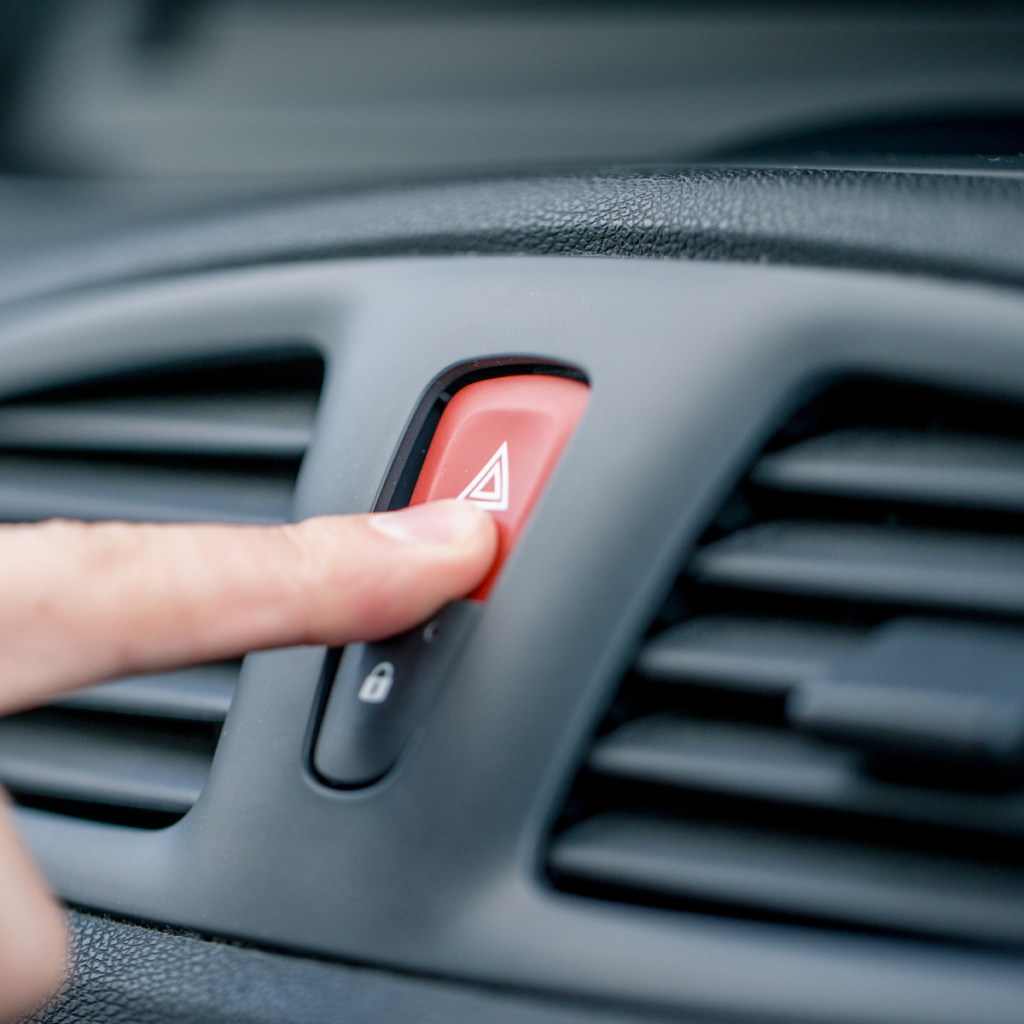
In the event of a traffic accident while driving a rental car, your first priority should always be to ensure the safety of everyone involved and to prevent further incidents. As part of the rental car accident procedure, bring the vehicle to a complete stop as soon as the accident occurs and immediately switch on the hazard warning lights to alert other drivers of the obstruction.
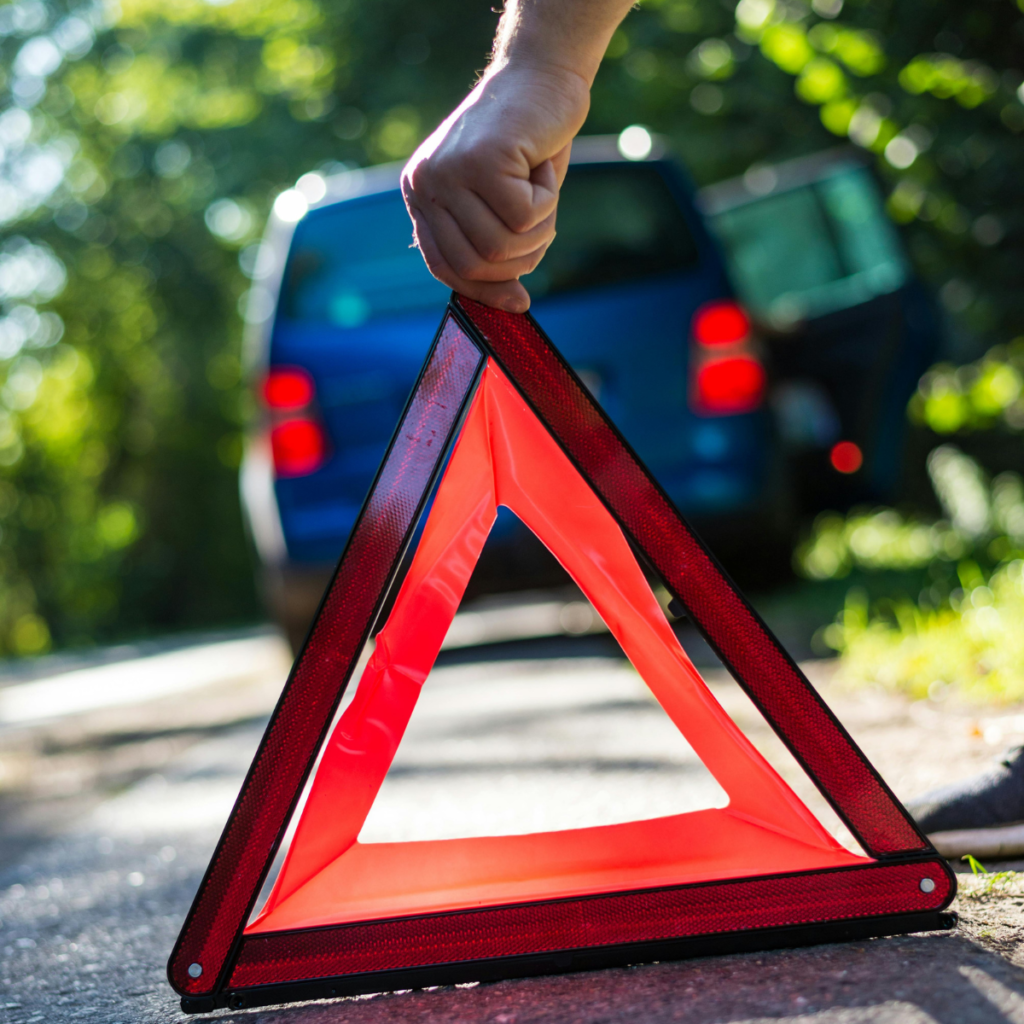
Before stepping out of the vehicle—especially if you’re on a busy road or highway—put on a reflective safety vest to increase your visibility and reduce the risk of being struck by oncoming traffic. Then, if road conditions allow, carefully place the warning triangle at a safe distance behind your car—at least 100 meters on open roads or highways, and a shorter distance in urban areas if necessary. This acts as a further visual warning to approaching vehicles.

If anyone is injured, call emergency services right away by dialing 112. Be sure to provide clear and accurate information about the exact location of the accident, the number of people involved, and the nature of any injuries so that help can arrive as quickly and efficiently as possible.
2. Call the Police: A Key Step in the Rental Car Accident Procedure
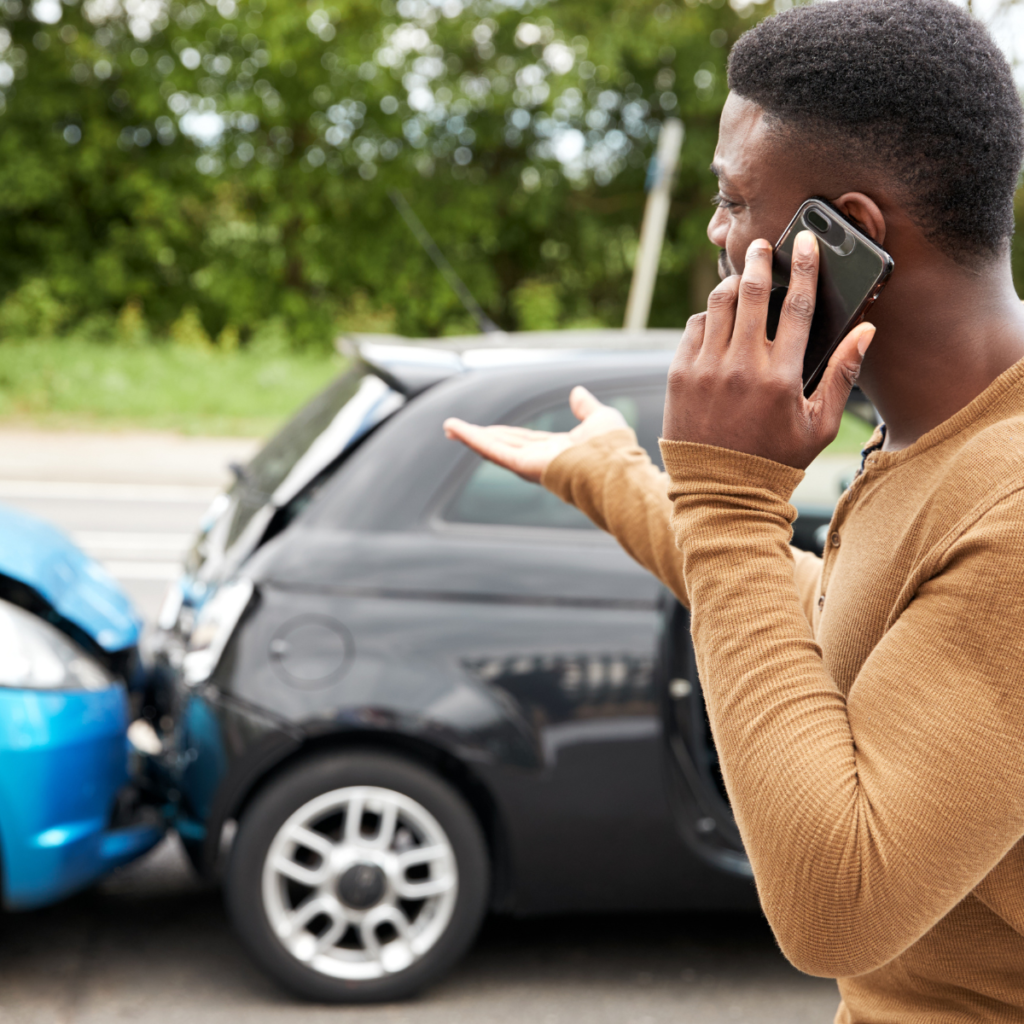
It is essential to notify the police as soon as possible after an accident, especially if there are any injuries, visible vehicle damage, or if more than one vehicle is involved. In Croatia, you can reach the police by dialing 192. Even if the accident seems minor, calling the police is crucial when the other driver is uncooperative, refuses to share personal or insurance details, or attempts to leave the scene. The presence of an official police report adds an extra layer of legal protection and ensures that all relevant facts are properly documented on the spot.
This report will likely be required not only by your rental car agency but also by the insurance company when assessing responsibility, processing damage claims, or seeking compensation. Without a police report, you may face delays or even rejections in your insurance claim or be held financially responsible for damages you did not cause. Therefore, involving the authorities is not just a recommendation—it’s often a legal necessity.
3. Contact the Rental Car Agency
After ensuring everyone’s safety and notifying the police, your next step should be to contact the rental car agency as soon as possible. Use the emergency phone number provided in your rental agreement or the contact information found in the vehicle’s documentation. Most agencies offer 24/7 support for emergencies, and prompt communication is crucial. Inform them clearly and calmly about the accident, providing details such as the time, location, and whether there are any injuries or major damage. The rental company guides you through the next steps — they may send roadside assistance, arrange a vehicle replacement, or advise you whether the car needs towing. They may also instruct you to submit photos, witness statements, or a completed accident report.
Failing to notify the agency in a timely manner can result in complications with the insurance claim, breach of contract, or even full financial liability for the damage, depending on the terms of your rental agreement. That’s why it’s important to make this call as early as possible, ideally from the scene of the accident.
4. Complete the European Accident Report
If the accident did not result in any injuries and the situation does not require police intervention, it is your responsibility to complete the European Accident Report—also known as the European Accident Statement—together with the other party involved. Many European countries use this standardized form to clearly and mutually document the key facts of a traffic incident. Most rental vehicles come with a blank copy of this report, typically stored in the glove compartment along with the car’s registration and insurance documents.
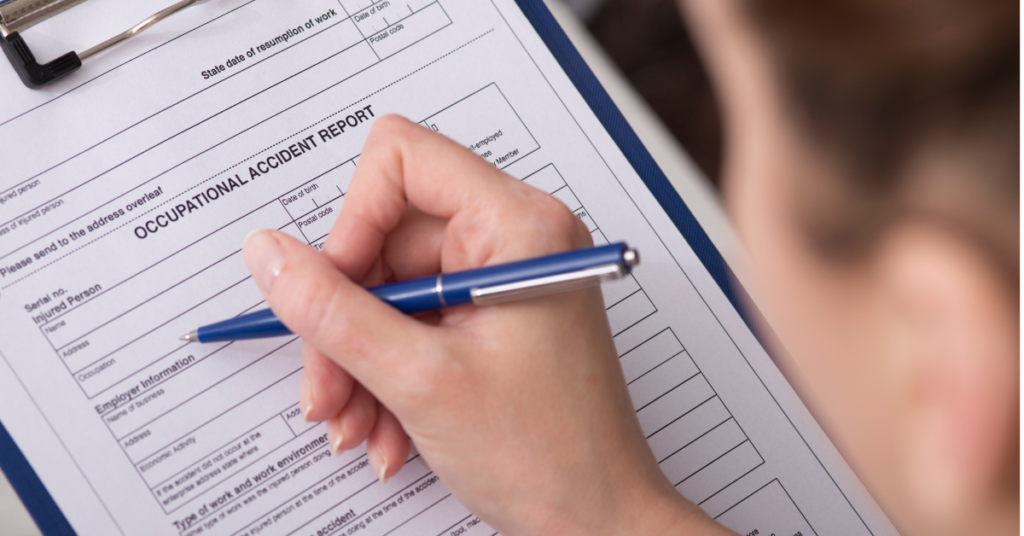
Be sure to include:
- Vehicle registration numbers
- Insurance details
- Full names and contact information of both drivers
- A clear and faqctual description of how the accident occured
- A sketch of the accident scene, if possible
Both drivers must sign the completed report, so it’s essential to take your time and make sure all information is accurate and legible. Although this form is not a legal admission of fault, it plays a crucial role in the insurance and rental agency’s assessment of the event. Incomplete or incorrectly filled forms can delay the claims process or result in disputes, so approach it with care.
5. Document the Damage Thoroughly
After an accident, it is crucial to thoroughly document all damages and relevant details. Take clear photographs of the damage to all vehicles involved, capturing multiple angles to provide a comprehensive view. In addition, photograph the overall scene of the accident, including traffic signs, license plates, and any relevant road conditions such as skid marks, potholes, poor lighting, or obstacles that may have contributed to the incident.
It’s also important to collect the contact information of any witnesses who were present at the scene. Their statements may be valuable later during the investigation or when filing an insurance claim. Having detailed and accurate documentation can significantly help clarify the circumstances of the accident and support your case throughout the claims process.
6. Do Not Attempt Repairs on Your Own

It is essential that you do not attempt to arrange or pay for any vehicle repairs on your own without first obtaining explicit approval from the rental agency. Taking matters into your own hands—even with good intentions—can breach the terms and conditions of your rental agreement, potentially resulting in additional fees or the loss of your deposit.
More importantly, insurance may not cover unauthorized repairs, which could leave you fully responsible for the cost of the damage. Rental companies typically have specific procedures and trusted repair partners. Bypassing these protocols can complicate the claims process and delay resolution. To avoid unnecessary complications, always contact the rental provider immediately and follow their instructions regarding damage assessment and repair.
In moments of stress and uncertainty, such as dealing with a car accident—especially in a foreign country—remaining calm, collected, and informed can make all the difference. By following the proper rental car accident procedure, maintaining clear communication with the rental agency and authorities, and safeguarding all relevant documentation, you not only protect yourself legally and financially but also make the recovery process smoother and less overwhelming. Taking extra precautions, like securing comprehensive insurance coverage before your trip, can provide peace of mind and help you focus on what matters most: enjoying your journey. Although no one plans for accidents, preparing in advance helps you handle the unexpected.